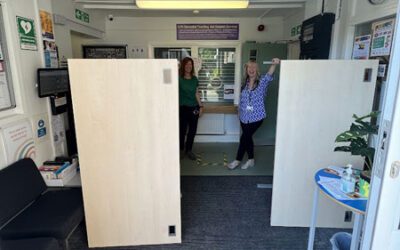
LTHT, an active member of the Ethical Furniture Network, approached the network with an urgent request for desk, pedestals, and chairs. Due to budget constraints, they were unable to allocate funds for purchasing new furniture. Recognizing the opportunity to make a positive impact, the Ethical Furniture Network decided to donate some of their available resources to LTHT.
The collaboration between the Ethical Furniture Network and LTHT showcased the positive outcomes that can be achieved through sustainable practices and resource sharing. By donating used office furniture, LTHT received essential items, reduced their carbon footprint, and diverted funds to more critical areas. The Ethical Furniture Network demonstrated its commitment to environmental responsibility by actively participating in the donation process and addressing the emissions generated through a carbon offset initiative. This case study serves as an example of how partnerships and ethical choices can benefit organisations, communities, and the environment.

Financial relief: LTHT received good quality, usable furniture as a donation, allowing them to allocate their limited funds to other critical areas such as medical equipment or patient care. Reduced carbon footprint: By choosing used furniture over new, LTHT decreased their environmental impact, minimizing the demand for new resources and energy-intensive production processes.
Carbon offset initiative: To counterbalance the emissions produced during furniture transportation, the Ethical Furniture Network undertook a tree-planting initiative to offset their carbon footprint, contributing to environmental sustainability. Donors’ environmental responsibility The organisation donating the furniture reduced their carbon footprint by diverting items from disposal and supporting sustainable practices within the industry.