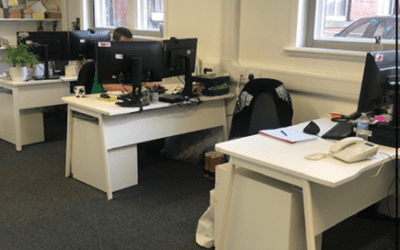
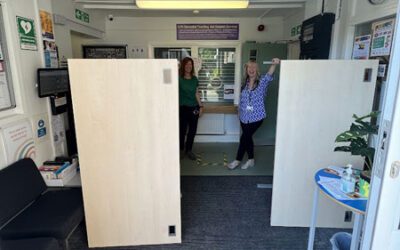
This case study focuses on a recent donation made by the network to the outpatient rooms of the Leeds and York Partnership NHS Foundation Trust (LYPFT), which were in desperate need of upgrade desks for the outpatient department. LYPFT reached out to the Ethical Furniture Network for assistance
The collaboration between the Ethical Furniture Network and LYPFT exemplifies the positive outcomes that can arise from responsible furniture disposal and donation practices. By overcoming challenges related to financial constraints, limited availability, urgency, and carbon footprint concerns, this case study showcases the benefits of sustainable initiatives. LYPFT gained access to quality furniture, diverted funds, and reduced their carbon footprint, while the Ethical Furniture Network demonstrated their commitment to environmental stewardship through effective donation and offsetting strategies.
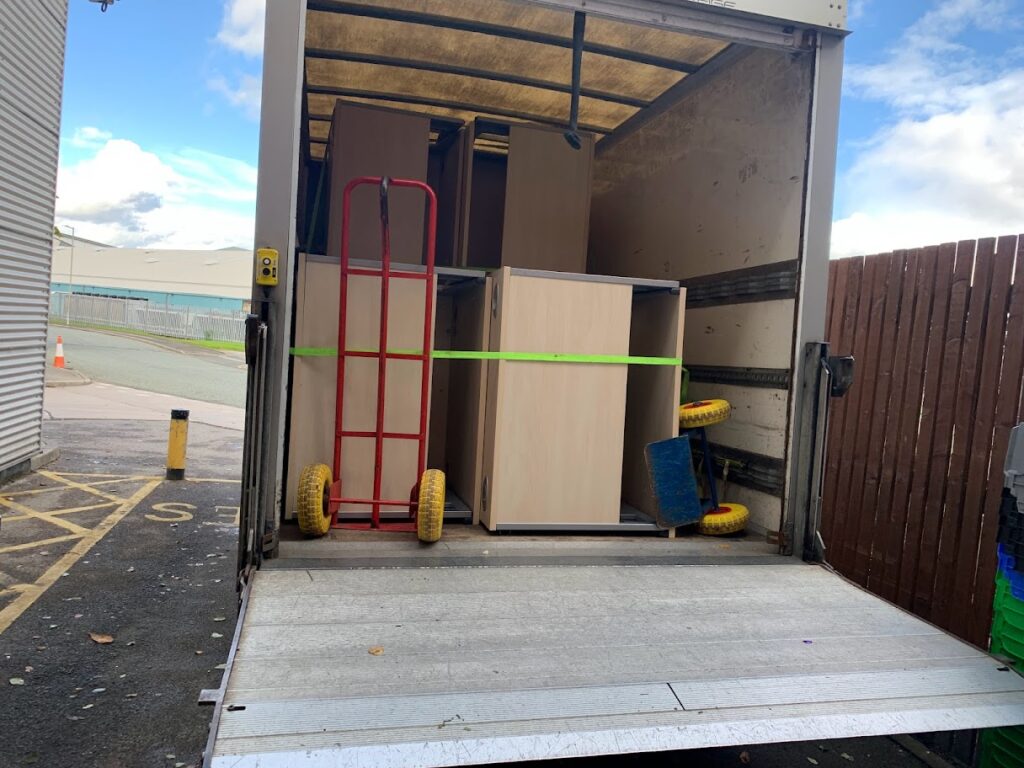
Financial Diversion: By receiving good quality, usable furniture from the Ethical Furniture Network, LYPFT could divert funds that would have been spent on purchasing new desks to other essential areas of their operations, such as patient care or staff training. Donor’s Carbon Footprint Reduction: The donor of the furniture also reduced their carbon footprint by opting for donation instead of disposal. This decision aligned with the Ethical Furniture Network’s mission and minimized waste.
Carbon offset initiative: To counterbalance the emissions produced during furniture transportation, the Ethical Furniture Network undertook a tree-planting initiative to offset their carbon footprint, contributing to environmental sustainability.
Carbon Footprint Offset: To further mitigate the environmental impact of the furniture delivery, the Ethical Furniture Network planted trees to offset the carbon footprint associated with transportation and logistics, reinforcing their commitment to sustainability.